
Indonesia can look to Singapore to address its affordable housing shortfall.
Last week we summed up why it is difficult for so many to invest in property in Jakarta, especially for millennials. In our next installment we shall look at how this problem can be addressed with increasing the supply of affordable housing.
There is no denying that offering affordable housing is a challenge. Least of all because property has become a popular investment commodity. Prices rise and dip due to demand much like any other investment product. There is a need for affordable housing on a global scale regardless of whether the country is developed or not. Many governments have tried to introduce measures to solve the issue such as in the UK where developers must build a percentage of affordable homes alongside new projects.
In the case of Indonesia there is a distinct lack of affordable housing. One reasons why kosts have become a popular housing option. There are a number of angles that the country can take to address this shortfall according to Savills in their recent research report ‘Housing the Millennials’. The real estate firm believe that the first obstacle that needs to be overcome is the term ‘affordable housing’ itself. Affordable housing often conjures up ideas of poor design, management and quality of finish. However this need not be the case. We can look to Singapore who have perfected this.
A shiny example
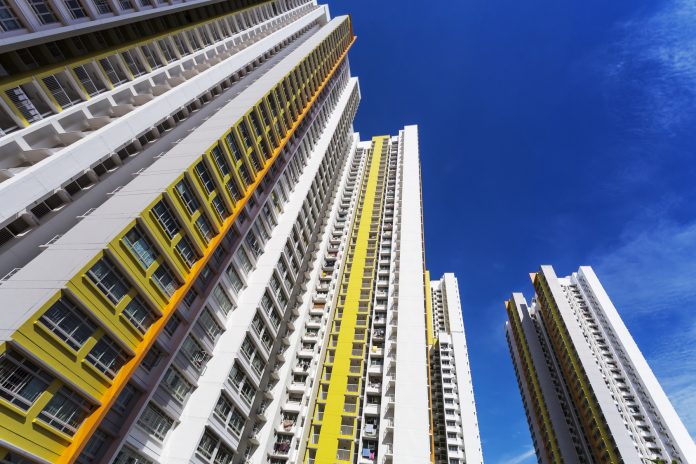
Singapore was the first country in South East Asia to build prefabricated housing. Used to build modular housing which is placed side-by-side to quickly create different sections. This method enabled the efficient construction of low cost housing. It was pioneered in Singapore in 1980 and these precast and prefabrication techniques shaped Singaporean property for the future. It allowed the growth of HDBs (Housing and Development Board). A form of public housing where units are owned on leases for 99 years. Currently over 80 percent of the population reside in HDBs, which is testament to their success.
This growth allowed Singapore to become a global leader in modernising housing and meeting housing shortages. But it was only 70 years ago that this tiny island-state was home to the world’s worst slums. A far cry from the slick skyline we see today. Aside from tackling issues relating to the quality of housing, Singapore has another string to its bow: high ownership rates. Currently at 90.8 percent, this is figure many other cities that aspire too.
Lessons learnt
But what can Indonesia take from Singapore? Well there are a number of factors that have made their public housing a success other than the construction techniques. HBD and Public Works Department who were behind the growth of housing controlled construction in order to keep costs down. By this we mean that they stockpiled materials and even made their own construction materials. This ensured the building did not incur any delays and kept costs consistent.
Additionally their homes are appealing. Complete with communal areas that enable a community spirit to flourish despite being high rise. But aside from this, it is the professional management, maintenance, safety regulations and pre-planning that has maintained their desirability. These are all lessons that can transferred to Indonesia to help drive the supply of affordable housing forward so more of the population can strive to be property owners.